In the fast-paced packaging industry, choosing the right Box Taper is crucial for efficiency and productivity. According to a report by Grand View Research, the global packaging equipment market is projected to reach $50 billion by 2027, highlighting the importance of selecting appropriate tools for businesses. A Box Taper can significantly streamline the packing process, not only saving time but also reducing material costs.
Expert in automated packaging, Dr. Emily Chen states, “A well-chosen Box Taper can elevate a company's shipping operations and drive revenue growth.” This underscores the need for thorough research when selecting a Box Taper. Companies must evaluate their production demands. Some tapers cater to higher volumes, while others are designed for flexibility and smaller operations.
It's important to recognize that not all Box Tapers are created equal. Businesses often face challenges when deciding on features like speed, tape type, and automation level. A hasty decision can lead to inefficiencies and increased costs. Understanding these nuances is key to making an informed choice that aligns with specific operational needs.
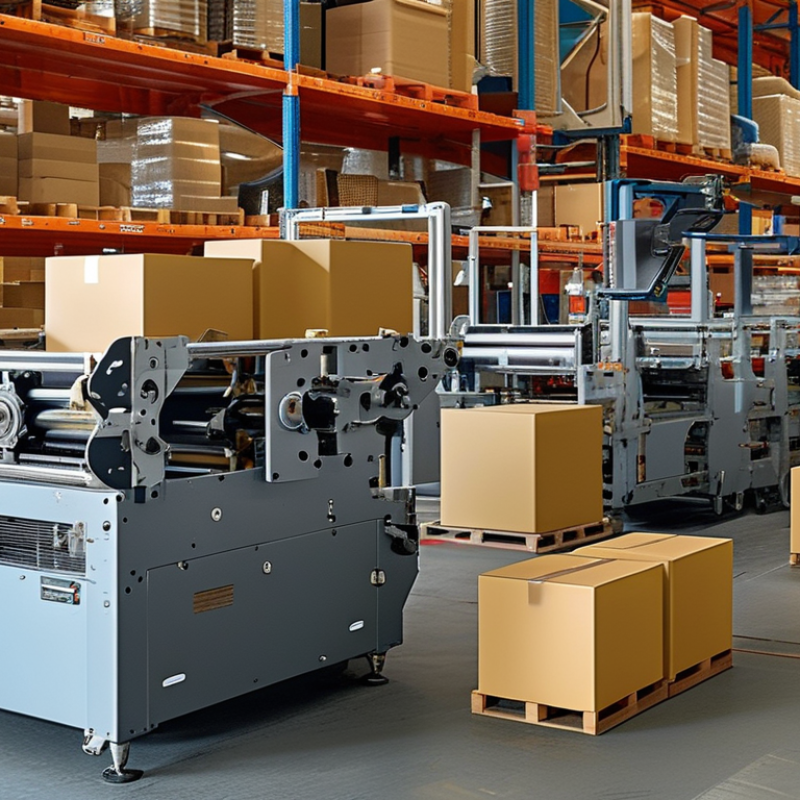
In the packaging industry, a box taper is essential for creating secure and efficient seals on boxes. It automates the process of applying tape to box flaps, enhancing production speed and ensuring consistency. Box tapers come in various sizes, suitable for different box dimensions. An effective taper minimizes waste and improves overall packaging quality.
When selecting a box taper, consider the production volume and box sizes you work with. A taper that accommodates various box dimensions is beneficial. Also, look for machines that offer adjustable settings. This flexibility allows a single machine to adapt over time as packaging needs evolve.
Pay attention to the type of tape used as well. Some tapers work best with specific tape materials. Testing different combinations can lead to better performance and cost savings. Regular maintenance of the taper is crucial as well. A well-maintained machine works more efficiently and prolongs its lifespan. Always reflect on your current packaging process. There might be room for improvement that a new taper can address.
Choosing the right box taper is crucial for any business that relies on packaging. A box taper ensures that your products are securely sealed and ready for shipping. The right taper can minimize damage during transit, saving you money and rework time. It also enhances the presentation of your shipments, creating a professional impression.
When selecting a box taper, consider the size and weight of your products. A taper designed for lightweight items may not hold up with heavier boxes. Evaluate the materials used in your packaging as well. Some tape types work better on specified surfaces. You may find that specific tapers fall short in certain conditions. These factors are important to align with your shipping strategy.
Regularly testing your chosen taper can reveal performance issues. Occasionally, your initial choice may not meet your evolving needs. Gather feedback from your team on ease of use and efficiency. This insight can help you make more informed decisions. Ultimately, a reliable box taper is a small yet significant investment in the longevity and reputation of your business. Choose wisely and always reassess.
When selecting a box taper, consider several key features and specifications to ensure you make the right choice. Look for the tapering capacity, which indicates the maximum width and angle the machine can handle. A taper that can accommodate various sizes and angles offers more versatility for different projects. It’s important to check the material used in the construction of the box taper. Durable materials ensure longevity and the ability to withstand harsh conditions.
Another critical feature is the ease of operation. A user-friendly interface can save time and reduce the learning curve. Consider the weight of the box taper as well. A lightweight model is easier to handle and transport. Remember that while portability is essential, the balance between weight and stability should be considered.
Tips for choosing the right box taper include testing multiple models if possible. Each machine operates differently, and personal preference matters. Also, take note of the maintenance requirements. A model requiring frequent upkeep might not be ideal for busy projects. Don’t hesitate to consult professionals for recommendations based on their experience. Their insights can reveal practical aspects that are not immediately obvious.
When considering box taping machines, industry standards play a crucial role in ensuring compliance and efficiency. These machines must adhere to safety guidelines and certifications. It is vital for manufacturers to understand the regulations in their specific industry. Compliance can affect everything from packaging integrity to worker safety.
Quality standards often stipulate the types of materials that can be used. Some require durable tapes for heavier boxes. Others may need eco-friendly options. Knowing these requirements is essential to avoid any legal repercussions or product failures. Regular audits help ensure compliance but can be overlooked in busy production schedules.
Furthermore, different industries have unique packaging needs. E-commerce companies might prioritize speed and efficiency. Meanwhile, manufacturers might focus on durability. Understanding these distinctions can aid in selecting the right machine. Overall, the selection process should include a review of machine specifications, safety features, and industry requirements. This attention to detail ensures that the box taper not only meets operational needs but also complies with industry standards.
When evaluating box tapers, businesses must consider the efficiency of manual versus automatic models. Manual box tapers require skilled operators who maintain precision. According to industry reports, these manual systems often yield less consistent results. They rely heavily on human factors, which can lead to errors in tape application. Studies indicate that 20% of manual operations result in misalignment.
In contrast, automatic box tapers streamline the process. They operate with advanced technology, reducing labor costs and improving speed. Recent research highlights that companies using automatic systems can boost packing efficiency by up to 50%. This efficiency advantage is a critical factor for businesses aiming for higher output with fewer resources. However, the initial investment for an automatic taper can be significant, leading many to weigh short-term costs against long-term savings.
Ultimately, the choice between manual and automatic box tapers should align with operational needs. Companies may benefit from a mixed approach. For smaller productions, manual options can serve well until volume increases. Reflecting on productivity goals is vital in making a decision that balances efficiency with budget constraints.
: Look for tapering capacity to handle various sizes and angles. Durable materials are vital for longevity.
A user-friendly interface saves time and reduces the learning curve. It makes the machine easier to use.
A lightweight model is easier to transport. However, balance between weight and stability is crucial.
Yes, testing multiple models helps find one that feels right. Each machine has different operations.
Some models may need frequent upkeep. Consider if it fits your busy project schedules.
Machines must meet safety guidelines. Compliance impacts packaging integrity and worker safety.
Yes, e-commerce may need speed, while manufacturers may prioritize durability. Different needs require different machines.
Overlooking compliance can lead to legal repercussions or product failures. Regular audits are essential.
Consulting professionals can provide insights into practical aspects that are not apparent at first.
Materials must meet quality standards. Some may require durable or eco-friendly options based on industry needs.
A Box Taper is a crucial tool in the packaging industry, designed to securely seal boxes for storage or shipping. Selecting the right Box Taper can greatly impact a business's efficiency and overall productivity. Factors such as the machine's features, specifications, and compliance with industry standards are essential when making this decision. Businesses must assess their unique packaging needs to determine whether a manual or automatic Box Taper would be more beneficial, as each option offers distinct advantages in terms of operational efficiency.
The importance of choosing the right Box Taper cannot be overstated, as it directly influences the speed and reliability of the packing process. By understanding the key features and ensuring adherence to compliance standards, businesses can optimize their packaging operations and prevent potential disruptions in the supply chain. A well-chosen Box Taper not only enhances productivity but also reduces packaging waste and improves overall service quality.

Huisu Smart