China Top 10 Carton Sealing Machine Manufacturers

Time:2026-10-31 Author:Amelia
0%

China has become a major source of carton-sealing equipment, from compact tabletop units to automated lines handling cartons at speed. Yet a polished brochure cannot show whether a machine will suit your cartons, shifts, and maintenance team. The details matter. Tape width, carton-size range, changeover time, and access to spare belts can shape daily performance. A few minutes spent checking these points may prevent a frustrating mismatch later.

Quality expert W. Edwards Deming’s reminder, “Quality is everyone’s responsibility,” applies to Carton Sealing as well. A dependable seal is not created by the machine alone. Carton condition, tape choice, operator setup, and routine inspection all play a part. This guide introduces ten Chinese manufacturers and considers their product focus, customization options, automation capabilities, and support for buyers. Treat the list as a starting point, not a universal ranking. A supplier that fits a small packaging room may not suit a high-volume line. Ask for sample runs using your actual cartons, and check how quickly the machine adjusts between sizes. Look closely at the tape head, rollers, and emergency-stop access. Small details show up fast.

There is no perfect shortlist. Product claims still need checking against real operating conditions. A careful comparison can help buyers ask sharper questions and choose equipment with fewer surprises.
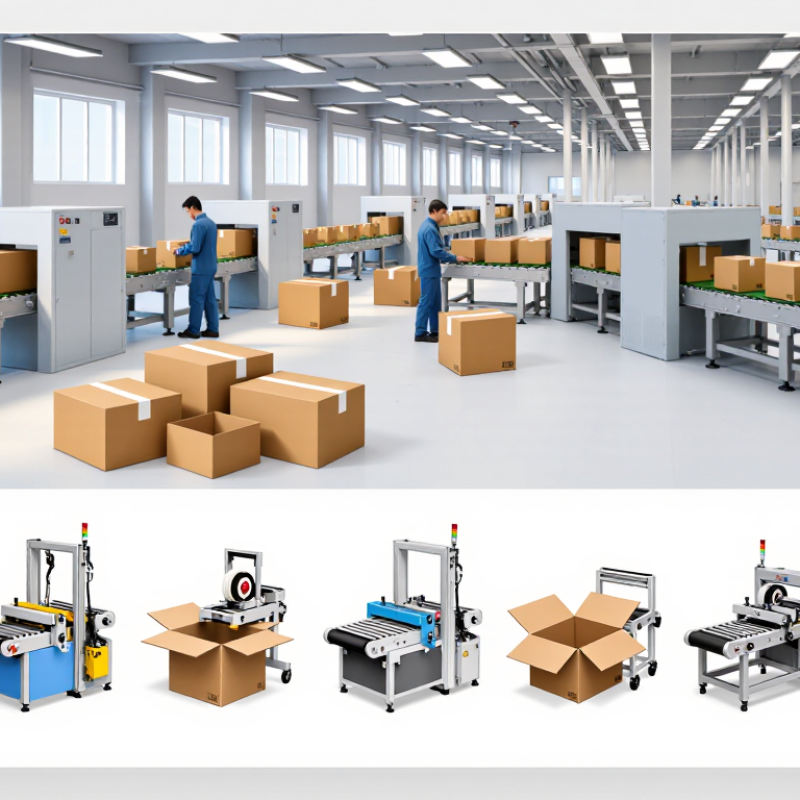
China Top 10 Carton Sealing Machine Manufacturers

What Carton Sealing Machines Do and Where They Are Used

A carton sealing machine closes filled boxes by folding their flaps and applying pressure-sensitive tape or adhesive. Depending on the setup, operators feed each carton by hand, or conveyors move cases through automatically. Adjustable guides help keep cartons centered, while compression belts press tape firmly against dusty or uneven surfaces. The job looks simple. Consistency matters. Fortune Business Insights valued the global packaging machinery market at US$45.73 billion in 2023, projecting US$67.06 billion by 2032. This broad category includes much more than carton sealers, but signals sustained investment in packaging equipment.

These machines appear in distribution centers, food and beverage plants, household-goods factories, and electronics packing lines. In e-commerce fulfillment, they help prepare individual orders for shipment; U.S. Census Bureau data put 2024 retail e-commerce sales at US$1.19 trillion, or 16.1% of total retail sales. Sealing can reduce loose flaps and make cases easier to stack, but it cannot fix every packaging problem. A carton that is bowed, overfilled, or poorly erected may still jam the line. Not magic. Operators need to check tape adhesion, box dimensions, and compression settings for the actual product. A setup that works for one carton size may perform poorly on another.

China Top 10 Carton Sealing Machine Manufacturers — What Carton Sealing Machines Do and Where They Are Used

Carton sealing machines close shipping boxes with tape. They are commonly used in e-commerce fulfillment, food and beverage, pharmaceuticals, and electronics packaging. This chart compares the number of tape strips used in three common sealing patterns.

An H-seal applies three strips to the top and three to the bottom: one along each center seam and two across the box flaps.

How China’s Carton Sealing Machine Industry Is Organized

China Top 10 Carton Sealing Machine Manufacturers

How China’s Carton Sealing Machine Industry Is Organized

China’s carton sealing machine industry is a network, not a single production line. Component suppliers provide motors, belts, sensors, and control cabinets. Machine builders assemble these parts into semi-automatic or automatic units. System integrators then connect sealers with case erectors, conveyors, and packing lines. The handoff matters. A reliable sealer can still underperform when conveyor height or carton dimensions are poorly matched.

The China Packaging Federation reported that packaging enterprises above designated size recorded about RMB 1.15 trillion in operating revenue in 2023.

This figure covers the wider packaging sector, not carton sealing machines alone. It shows the industrial scale around packaging equipment, but it should not be mistaken for a sealer-market estimate. Many manufacturers serve domestic factories through distributors and provide installation or maintenance directly. Export-focused suppliers may also coordinate overseas service partners. That structure can shorten delivery, yet support quality varies. A spare belt is easy to ship; diagnosing a sensor fault remotely is less simple. The industry’s organization is practical, but not always neat.

Ten Leading Carton Sealing Machine Manufacturers in China

China’s ten leading carton sealing machine manufacturers differ in more than price and output speed. Some focus on compact semi-automatic units for smaller packing areas, while others build integrated lines for continuous production. A useful comparison starts with the cartons themselves: their width, height, board strength, and condition after folding. Bring real sample cartons to a supplier’s test area if possible. Watch how the machine handles uneven flaps, shifting boxes, and repeated changes in carton size. Small details matter.

Ask manufacturers about tape-head adjustment, spare-part availability, and operator training. Check whether guides can be changed without special tools, and whether controls are clear to a new operator. Request cycle-rate figures under stated carton conditions, not just the fastest number in a brochure. A machine that runs smoothly in a demonstration may behave differently with dusty boards or inconsistent folds. That judgment can be wrong, too; one brief test cannot represent a full shift. Compare warranty terms and service response times in writing, and confirm what installation support actually includes. A careful review helps buyers distinguish a suitable machine from a merely impressive specification sheet.

Key Machine Types, Features, and Production Capabilities

Carton sealing machines range from compact semi-automatic units to fully automatic lines. Semi-automatic models suit varied carton sizes and modest output. Operators fold the flaps, then guide each box through the sealing head. Automatic machines can close flaps and apply tape with less handling. Random-size sealers adjust to different carton dimensions, which helps warehouses packing mixed orders. Small details matter.

When comparing manufacturers, examine tape-head design, changeover time, guarding, and access for routine cleaning. A stable machine should seal both the top and bottom flaps without crushing carton corners. Production capacity depends on carton size, operator flow, and upstream equipment—not just the advertised speed. Ask for a trial using your own boxes and tape. A tidy specification sheet can still hide a slow changeover process; that is easy to overlook.

Tips: Measure your smallest and largest cartons before choosing a model. Check whether the quoted output assumes continuous feeding. Watch a full production run, not just a short demonstration.

How to Compare Manufacturers for Your Packaging Needs

When comparing carton sealing machine manufacturers, match the equipment to your actual cartons, tape, and production pace. Measure your smallest and largest case, then ask for a test using your materials. Watch for skewed flaps, loose tape ends, and jams during changeovers. Small details matter.

PMMI’s 2023 State of the Industry report estimated U.S. packaging machinery shipments at $10.9 billion in 2022, up 9.9% from 2021. This broad figure covers packaging machinery, not carton sealers alone, but it signals a substantial equipment market. Compare each supplier’s rated speed with your sustained line speed, and check whether adjustments require tools. Ask for documented uptime, spare-parts lead times, training, and service response terms. A polished demonstration is useful, but your own cartons reveal more. I would also compare total ownership costs, including tape use, energy, maintenance, and operator time. That comparison can be imperfect; production conditions vary, and estimates deserve scrutiny. Ask for references from facilities handling similar case sizes and shifts.

FAQS

What should I check before choosing a carton sealing machine?

Measure your smallest and largest cartons. Check their width, height, board strength, and folded condition.

Is a semi-automatic machine suitable for varied carton sizes?

It can suit modest output and changing carton sizes. Operators fold the flaps and guide each box through the sealing head.

When is an automatic machine a better fit?

Automatic models close flaps and apply tape with less manual handling. They may suit continuous production lines.

What does a random-size sealer do?

It adjusts to different carton dimensions, which helps when packing mixed orders. Check its changeover process, too.

How can I test whether a machine handles my cartons well?

Bring sample boxes and tape to a trial. Watch for uneven flaps, shifting boxes, and crushed corners.

Should I rely on advertised production speeds?

Ask how the rate was measured and under which carton conditions. Output also depends on operator flow and upstream equipment.

What machine details are worth checking?

Look at tape-head adjustment, guarding, cleaning access, and guide changes. Ask whether guides can be changed without special tools.

What should I confirm about support and reliability?

Get warranty terms, spare-part availability, training, and service response times in writing. A short demonstration can be misleading. Not always.

Conclusion

This article explains what carton sealing machines do and why they are used across industries that need cartons closed consistently for storage, handling, and shipping. It outlines how China’s carton sealing industry is organized, from manufacturers focused on standard equipment to those offering configurable systems for different production environments. It also introduces ten leading manufacturers without relying on brand names, highlighting the range of suppliers and capabilities buyers may encounter.

Readers will learn about common machine types, including semi-automatic and automatic models, and how features such as carton-size adjustment, sealing methods, operating speed, and production capacity affect performance. The article also provides a practical framework for comparing manufacturers, considering factors such as application requirements, equipment reliability, customization, technical support, and long-term operating needs. Together, these points help buyers assess Carton Sealing solutions and identify equipment suited to their packaging workflow.


Amelia

Amelia

Amelia is a seasoned marketing professional with a wealth of expertise in our company’s core offerings. With an unwavering passion for driving growth and innovation, she plays a pivotal role in shaping our marketing strategies and enhancing brand visibility. A key aspect of her responsibilities......