How to Choose Box Taping Equipment for Your Business?

Time:2026-10-24 Author:Oliver
0%

Choosing Box Taping Equipment is a practical decision, not a showroom exercise. A machine must close cartons consistently, handle changing box sizes, and fit your daily production rhythm. The right choice can reduce damaged packages, tape waste, and repetitive manual work. The wrong one may create jams beside your busiest packing station.

Industry data shows why this decision deserves closer attention. PMMI’s 2024 State of the Industry report valued North American packaging machinery shipments at approximately $10.2 billion in 2023. Its analysis also identifies labor shortages, automation, and flexible production as continuing investment drivers. Smithers’ e-commerce packaging research further links online order growth with demand for efficient, right-sized, and reliable secondary packaging. These figures do not guarantee savings for every company. Your carton mix matters more than a market forecast.

Jorge Izquierdo, PMMI’s Vice President of Market Development, has described automation as “no longer an option for many manufacturers; it is a necessity.” That statement is useful, but incomplete. Automation without suitable cartons, trained operators, and dependable maintenance can simply make mistakes happen faster. A small fulfillment center may need a compact random case sealer, while a high-volume facility may require powered conveyors, automatic flap folding, and remote diagnostics. Listen for the tape snap. Watch the carton leave square and secure. Those details reveal more than a polished brochure. This guide examines machine types, sealing speed, carton compatibility, safety, service support, and total ownership cost, helping businesses choose equipment with fewer assumptions and more evidence.
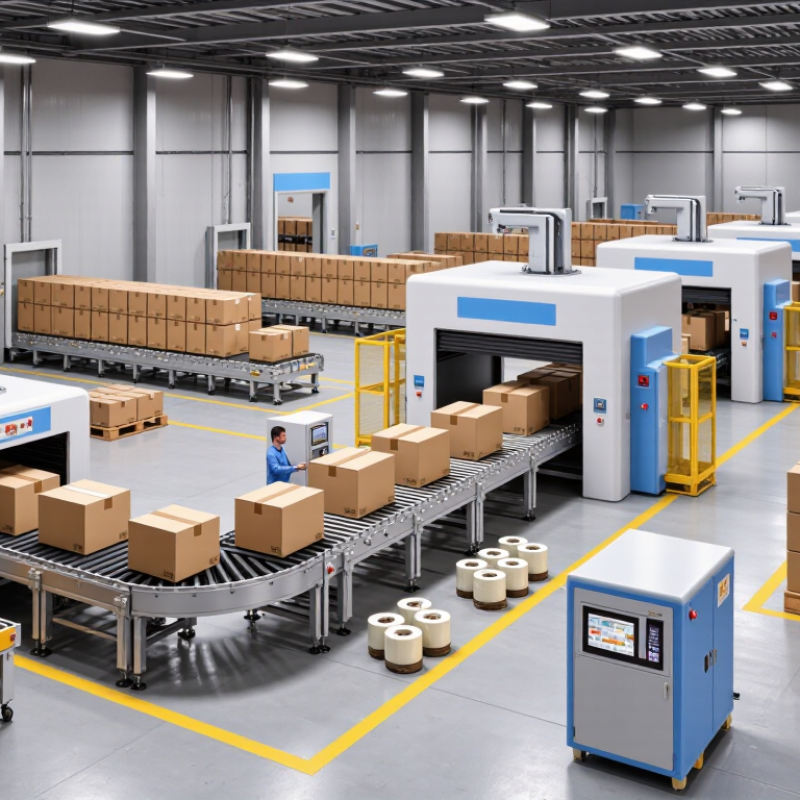
How to Choose Box Taping Equipment for Your Business?

Define Your Box Taping Needs and Packaging Workflow

How to Choose Box Taping Equipment for Your Business?

Define Your Box Taping Needs and Packaging Workflow

Choosing box taping equipment should begin with your actual packaging routine. Measure box sizes, weights, and daily output during normal and peak shifts. Note where boxes slow down, especially near filling stations or shipping scales. A machine should match your workflow, not simply offer the highest speed. In my experience, inconsistent box heights often cause poor tape contact and repeated adjustments. That detail is easy to miss.

Watch the operator’s movements for one full shift. Can boxes enter and leave the machine without lifting or turning? Check tape width, carton strength, sealing pressure, and available floor space. Small operations may need flexible settings for mixed cartons. Larger teams may benefit from automatic height adjustment and continuous operation. However, faster equipment can create a new bottleneck if labeling or palletizing remains slow. I have seen this happen. The equipment was technically efficient, but the workflow was not.

Tips: Test several real cartons before purchasing. Use your heaviest common box and your weakest regular carton. Ask operators to run the test, then record jams, noise, tape waste, and adjustment time. Leave room for maintenance access. A practical trial often reveals more than a specification sheet. Also, review cleaning and replacement procedures with trained staff. Simple maintenance habits improve reliability, although they may seem unimportant during busy periods.

Compare Manual, Semi-Automatic, and Automatic Taping Options

Choosing box taping equipment starts with your daily packing conditions, not the machine’s appearance. Manual taping suits small orders, changing box sizes, and limited floor space. An operator applies tape with a handheld tool and checks each seal. It costs less initially, but speed depends on training and physical effort. Edges may look uneven during busy periods.

Semi-automatic equipment adds consistency without removing the operator completely. The worker forms the carton, fills it, and guides it into the machine. The unit folds flaps and applies tape at a steady pace. This option works well for growing warehouses with repeated box dimensions. It can reduce wrist strain, although setup changes may interrupt production. That weakness matters.

Automatic taping systems handle larger, more predictable volumes. They can connect with conveyors and seal cartons with limited manual contact. Their value appears when labor time, throughput, and seal consistency affect operating costs. However, they require more space, maintenance knowledge, and careful adjustment. A poorly calibrated machine can damage flaps or waste tape quickly. High volume does not always justify automation.

Measure cartons per hour, size variation, tape usage, and available labor before choosing. Ask operators to test each option with real boxes. Watch for crushed corners, loose seals, and difficult controls. Forecasts are often wrong. A semi-automatic machine may outperform a faster system when product sizes change frequently. Review maintenance access, guarding, training, and replacement parts. Reliable equipment should support safe, repeatable work every shift.

Match Machine Features to Box Sizes, Materials, and Tape Types

How to Choose Box Taping Equipment for Your Business?

Box dimensions should guide the machine before speed does. Measure the smallest and largest cartons, including height, width, and length. A fixed case taper may suit consistent boxes, while random machines handle frequent size changes. Adjustable side guides, self-centering belts, and automatic height controls reduce crushed corners and loose flaps. Corrugated strength also matters. Light single-wall cartons need gentler compression than heavy double-wall cases.

Tape selection changes the equipment decision. BOPP tape often works with standard pressure-sensitive tape heads and powered rollers. Hot-melt tape may need temperature-aware handling and clean application surfaces. Water-activated tape requires a dedicated wetting and cutting system. Do not assume one head handles every tape type.

Test dusty cartons, recycled fibers, cold storage cartons, and overfilled boxes. Real production conditions are less polite than samples.

The Packaging Machinery Manufacturers Institute reported that U.S. packaging machinery shipments reached about $10.2 billion in 2022, showing sustained investment in automation. The U.S. Census Bureau reported $1.19 trillion in retail e-commerce sales for 2024, increasing pressure for reliable carton closure.

Choose sensors that detect flap position and tape breaks. Confirm spare-part access and operator training before purchase. I have seen machines selected for peak speed, then slowed by frequent adjustments. That mistake is expensive.

Ask suppliers to run your actual box mix, not a perfect demonstration carton.

(Sources: PMMI, State of the Industry 2023; U.S. Census Bureau, Quarterly Retail E-Commerce Sales, 2024.)

Evaluate Speed, Safety, Maintenance, and Total Operating Costs

How to Choose Box Taping Equipment for Your Business?

Speed matters, but maximum speed can mislead purchasing decisions. Measure your actual carton flow during normal and peak shifts. A machine rated for 30 boxes per minute may slow down with uneven cartons, heavy loads, or frequent size changes. I have seen teams choose capacity they rarely use, then pay more for unused performance. Record carton dimensions, tape consumption, changeover time, and operator handling. Small delays become expensive across thousands of boxes.

Safety should be practical and visible. Look for guarded moving parts, emergency stops, stable guides, and clear access for adjustments. Operators should not reach near blades or belts during routine work. Maintenance also affects production more than many buyers expect. Ask how quickly belts, rollers, blades, and sensors can be inspected or replaced. Keep common spare parts available. A reliable maintenance schedule reduces sudden stoppages, although it will not eliminate them. My early cost estimates often ignored cleaning time and minor alignment problems.

Tips: Calculate total operating cost over three years. Include equipment price, labor, electricity, tape, spare parts, training, downtime, and waste. Test several carton sizes before approval. Watch the operator, not only the machine. If a task feels awkward, it may become a safety or productivity issue later. Request service documentation and verify expected maintenance intervals. A cheaper machine can cost more when adjustments are frequent and support is slow.

Select Equipment That Fits Your Workspace and Future Growth

Choosing box taping equipment is less about maximum speed and more about fitting your real workspace. Measure the packing area, aisle width, table height, and available power before comparing machines. A compact unit may suit a small dispatch room, while a larger system needs clear access for operators and maintenance. Leave working space around the equipment. Crowded stations create delays and safety concerns.

Think beyond today’s order volume. Adjustable conveyor height, variable sealing speed, and compatibility with different box sizes can support gradual growth. I once saw a fast machine underperform because workers constantly adjusted poorly sized cartons. The equipment was capable, but the workflow was not. That experience changed how I assess productivity. A practical trial with your actual boxes often reveals more than a specification sheet.

Check maintenance access, spare-part availability, noise levels, and operator training requirements. These details affect long-term reliability. Equipment should also connect smoothly with weighing, labeling, or packing processes already in place. Avoid buying capacity that your floor space cannot support. It may look efficient at first. A modular setup can be easier to expand, although it may require more planning and a higher initial budget. Record carton dimensions and weekly volumes for several weeks before deciding. Real measurements are usually more dependable than optimistic forecasts.

FAQS

When is manual taping equipment the right choice?

Manual taping suits small orders, changing carton sizes, and limited floor space. An operator applies tape and checks every seal. It costs less initially, but speed depends on training and physical effort. Edges may become uneven during busy periods.

What does semi-automatic taping equipment do?

The worker forms and fills the carton, then guides it into the machine. The unit folds flaps and applies tape steadily. It works well with repeated box sizes and can reduce wrist strain. Changeovers may interrupt production.

When does automatic taping provide real value?

Automatic systems suit large, predictable carton volumes. They can connect with conveyors and limit manual contact. Their value increases when labor time, throughput, and seal consistency affect costs. High volume alone does not justify automation.

How should actual packing speed be measured?

Record carton flow during normal and peak shifts. Include uneven cartons, heavy loads, and size changes. A machine rated for thirty cartons per minute may slow down in real conditions. Maximum speed can mislead buyers.

What safety details should buyers inspect?

Look for guarded moving parts, emergency stops, stable guides, and clear adjustment access. Operators should not reach near blades or belts during routine work. Watch the operator’s movements, not only the machine. Awkward tasks can create later risks.

Which maintenance points deserve attention?

Check access to belts, rollers, blades, and sensors. Ask how quickly each part can be inspected or replaced. Keep common replacement parts available. Cleaning and alignment take time too. My early cost estimates often missed those minutes.

How can a business compare total operating costs?

Calculate costs across three years. Include equipment, labor, electricity, tape, training, spare parts, downtime, and waste. A cheaper machine may cost more when adjustments are frequent. Forecasts are often wrong.

How should equipment be tested before purchase?

Test several real carton sizes with actual operators. Watch for crushed corners, loose seals, wasted tape, and difficult controls. Measure changeover time and tape use. Test real cartons. The fastest system may not be the best fit.

Conclusion

Choosing the right Box Taping Equipment begins with a clear understanding of your packaging workflow, including box sizes, daily output, labor availability, and shipping requirements. Businesses can compare manual, semi-automatic, and automatic taping solutions based on their production volume and desired level of efficiency. Manual tools may suit low-volume operations, while powered or automated systems can improve consistency and reduce repetitive labor in busier facilities.

The selected equipment should match the box materials, dimensions, closure style, and tape type used in daily operations. Important considerations also include operating speed, worker safety, ease of adjustment, maintenance needs, energy use, and total operating costs. Finally, the machine should fit comfortably within the available workspace, allow straightforward installation and access, and provide enough flexibility for future growth. A well-planned investment can support reliable sealing, smoother packaging processes, and improved long-term productivity.


Oliver

Oliver

Oliver is a seasoned marketing professional with a wealth of expertise in driving brand awareness and engagement. With a deep understanding of our company's product offerings, he consistently delivers high-quality content that enriches our professional blog. His insights not only shed light on......