Choosing the best Carton Tape Sealer in China involves more than comparing prices and catalogs. The right machine must match your carton sizes, sealing speed, tape width, and daily workload. A factory shipping 500 boxes needs different equipment from a warehouse processing 5,000 boxes. Small differences matter. A weak roller can leave loose flaps. Poor sensors can stop production beside a crowded packing line.
According to PMMI packaging specialist Jorge Izquierdo, “Automation is not about replacing people; it is about making people more productive.” This principle applies directly to carton sealing. A reliable Carton Tape Sealer should reduce repetitive labor while keeping operators safe and productive. Buyers should inspect frame strength, drive belts, blade guards, control access, and spare-parts support. Ask for videos of the machine sealing your actual cartons. Request test results, not attractive promises.
China offers many capable manufacturers, but quality is not uniform. That is the uncomfortable part. A low quotation may hide thin steel, weak motors, or limited technical support. I have seen purchasing decisions focus too heavily on the machine price. The real cost appeared later through tape waste, adjustments, and delayed shipments. This guide examines practical selection criteria, supplier verification, customization, and after-sales service. It also questions common assumptions, because the cheapest Carton Tape Sealer is rarely the most economical choice. A careful decision begins with evidence, realistic production data, and a supplier willing to discuss problems openly.
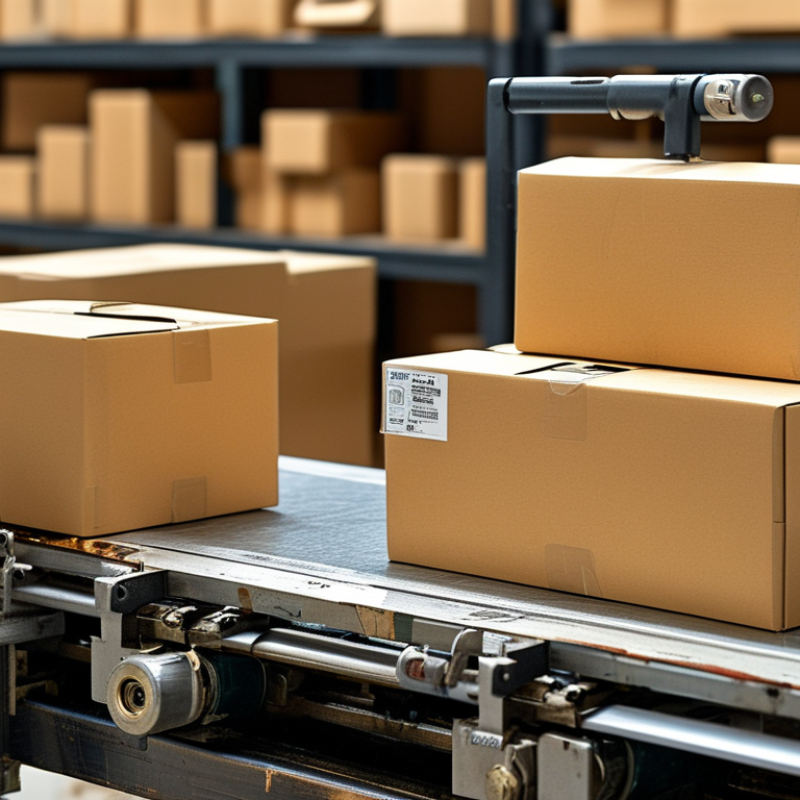
A carton tape sealer closes corrugated boxes with pressure-sensitive adhesive tape. It is often used after filling, weighing, or inspection. The machine folds the top flaps, centers the carton, and applies tape along the middle seam. Side belts then carry the box forward while rollers press the tape firmly against the cardboard.
The working process is simple but precise. Sensors detect the carton height and start the drive motors. A tape head cuts the roll after covering the required length. Adjustable guides keep the box straight. Some machines seal only the top; others seal both top and bottom in one pass. During a packaging line trial, I noticed that uneven cartons caused more failures than slow settings. That detail is easy to miss.
When choosing equipment in China, measure your smallest and largest cartons first. Check belt width, sealing speed, tape size, electrical requirements, and adjustment range. A machine should match your real workload, not an impressive catalog number. Ask for a video test using your cartons and tape. Confirm spare parts availability, operator training, and service response before purchase. I once valued speed too highly and underestimated setup time. That was a poor assumption. Reliable sealing depends on stable pressure, clean rollers, and regular maintenance. A practical acceptance test should inspect loose tape ends, crushed corners, crooked cartons, and repeated stops.
When choosing a carton tape sealer in China, match the machine to your packaging rhythm, not its appearance. Manual sealers suit small workshops, seasonal orders, and cartons with changing dimensions. They cost less, but operators must align flaps and control tape tension. Errors become visible quickly.
Semi-automatic machines fit stable production lines with several hundred cartons daily. They usually seal the top and bottom while workers position each carton.
Automatic and random case sealers work better for continuous warehouses. Random models adjust to different carton sizes without frequent hand changes. This saves labor, but sensors and belts need regular cleaning. Small details matter.
The U.S. Census Bureau reported 2023 e-commerce sales at about 1.12 trillion dollars. The International Federation of Robotics recorded 541,302 industrial robot installations worldwide in 2023, showing broader investment in automation. Still, automation is not always the best answer. A compact semi-automatic sealer may outperform a complex line when daily volume remains modest. I have seen buyers focus on speed and underestimate changeover time. That is an expensive mistake. Check carton size ranges, tape width, sealing height, spare-part access, operator training, and local technical support before purchasing. Ask for a trial using your actual cartons and recycled board. Their uneven surfaces can expose weak pressure settings.
Sealing speed should match your real packing rhythm, not only the machine’s headline number. A line rated at 20 cartons per minute may slow sharply with uneven boxes or manual loading. Test at your smallest and largest cartons. Record jams, tape breaks, and operator pauses. A 15% to 25% capacity buffer is practical for demand changes. E-commerce represented 16.1% of U.S. retail sales in 2024, according to the U.S. Census Bureau, increasing pressure on consistent carton throughput.
Size evaluation needs more than floor space. Measure carton length, width, height, and weight across several production days. Check the sealer’s adjustment range, conveyor height, tape width, and core diameter. A machine that fits one box perfectly may struggle with narrow cartons. Measure twice. Leave service access around belts and cutting units. That detail is often missed.
Compatibility includes corrugated board quality, recycled fiber content, tape adhesion, voltage, and line controls. Ask for a sample trial using your actual cartons and tape. The International Federation of Robotics reported 541,302 industrial robots installed worldwide in 2023, showing the broader move toward automated production. Yet automation is not automatically efficient. PMMI’s 2024 State of the Industry reporting continues to identify labor and automation as major packaging concerns. My own evaluation would still question one assumption: maximum speed may create more rework than value. Reliability should be measured after several hours, not during a short demonstration.
Reliable carton sealing depends on more than sealing speed. In China, buyers should check tape tension, box alignment, and compression control during real production trials. A stable machine should seal uneven carton flaps without crushing corners. Tool-free adjustments also reduce changeover delays. This matters when different carton sizes share one packing line.
MHI’s 2024 Annual Industry Report found that 55% of supply-chain leaders planned to increase technology investment. The report also identified workforce shortages as a continuing operational concern. Therefore, a practical carton tape sealer should support simple controls, automatic carton detection, and safe access for maintenance. Adjustable conveyor height and dual-side drive belts help maintain steady pressure. Good sensors matter. Poor calibration can create open flaps, wasted tape, and rework. I have seen machines appear fast during demonstrations but struggle with dusty cartons or weak recycled board. That gap deserves attention.
Tips: Ask for a test using your actual cartons and tape. Measure seal strength, tape consumption, noise, and changeover time. Request maintenance records and spare-parts availability. ASTM D4169 testing guidance can help evaluate package performance under distribution stresses, although laboratory results cannot replace line trials. Energy use is another overlooked feature. A 2023 PMMI packaging automation report highlights efficiency, labor reduction, and flexible equipment as key purchasing considerations. Still, faster is not always better. A slightly slower sealer may deliver fewer damaged cartons and more dependable daily output.
Choosing a carton tape sealer in China requires more than comparing catalog prices. A reliable supplier should explain sealing speed, carton size limits, tape specifications, and adjustment methods clearly. Ask for a live video test using your actual cartons. A machine that performs well on clean sample boxes may struggle with dusty, soft, or uneven cartons.
Supplier comparison should include factory experience, production records, inspection procedures, and after-sales support. Request motor details, electrical standards, spare-parts lists, and warranty terms in writing. Check whether technicians can provide remote troubleshooting and clear maintenance instructions. I once focused too heavily on machine speed. That was a mistake. Changeover time and operator training affected output more than expected.
Compare total cost, not only the quotation. Include packaging, inland transport, ocean freight, customs charges, installation, spare parts, energy use, and possible downtime. A lower-priced sealer may need frequent belt replacement or difficult adjustments. Ask for a sample maintenance schedule and estimated consumable costs for one year. Supplier communication also matters. Slow replies before payment may signal weaker support after delivery. Still, documents are not proof of everything. Inspect a production line, test several carton types, and record acceptance standards before signing. Small details matter.
| Equipment Category | Recommended Application | Typical Carton Size Range | Typical Sealing Speed | Tape Width | Power Requirement | Typical Machine Construction | Indicative FOB China Price Range | Estimated Operating Cost | Main Purchasing Risk |
|---|---|---|---|---|---|---|---|---|---|
| Manual Carton Sealer | Low-volume packing, seasonal production, multiple carton formats | Usually adjusted manually; suitable for small and medium cartons | Approximately 8–15 cartons per minute, depending on operator speed | 48–60 mm pressure-sensitive tape | Normally no electrical power | Basic steel frame, manual carton positioning and tape cutting | Approximately USD 80–250 | Low equipment cost; high labor cost | Inconsistent sealing pressure and higher dependence on operator skill |
| Standard Semi-Automatic Uniform Case Sealer | Regular production with cartons of similar dimensions | Commonly about 150–500 mm in carton width and height | Approximately 15–25 cartons per minute | 48–60 mm tape | Typically 0.2–0.5 kW; single-phase power is common | Powder-coated steel frame, two side-belt or top-and-bottom drive configuration | Approximately USD 700–1,800 | Balanced equipment and labor cost | Limited flexibility when carton sizes vary significantly |
| Heavy-Duty Semi-Automatic Case Sealer | Continuous warehouse, e-commerce, food, and industrial packaging | Often about 150–650 mm in width and height, subject to machine design | Approximately 18–30 cartons per minute | 48–76 mm tape, depending on the sealing head | Typically 0.4–1.0 kW | Reinforced frame, adjustable conveyor, stronger drive motors, replaceable wear parts | Approximately USD 1,500–3,500 | Higher purchase cost; lower downtime risk | Over-specification if carton volume and load are low |
| Automatic Random-Size Case Sealer | Mixed carton sizes, high-throughput distribution, automated packing lines | Automatically detects and adjusts to a defined carton-size range | Approximately 20–35 cartons per minute | 48–76 mm tape | Typically 0.8–2.0 kW, plus compressed air on some configurations | Photoelectric sensors, automatic height and width adjustment, powered conveyors | Approximately USD 4,000–12,000 | High equipment cost; lower labor cost at scale | Higher commissioning, integration, maintenance, and spare-parts requirements |
| Integrated Case Sealing Line | Large factories requiring carton forming, filling, sealing, coding, and conveying | Defined by the complete line layout and carton specifications | Approximately 25–50 cartons per minute, depending on line design | 48–76 mm tape or other approved sealing media | Typically 2–8 kW for the complete line, excluding optional equipment | Modular conveyor system with controls, sensors, guarding, and line communication | Approximately USD 12,000–50,000+ | Best labor efficiency; highest integration cost | Incorrect line matching can create bottlenecks and long payback periods |
| Evaluation Dimension | What to Request from the Supplier | Acceptable Evidence | Suggested Weight | Warning Signs |
|---|---|---|---|---|
| Technical Fit | Carton dimensions, carton material, tape type, required speed, voltage, and working environment | Written specification sheet and test results using the buyer's cartons and tape | 20% | Supplier quotes only a maximum speed without defining carton size or operating conditions |
| Sealing Quality | Top and bottom tape alignment, sealing pressure, tape adhesion, cut quality, and carton stability | Video test, sample cartons, acceptance criteria, and documented inspection records | 20% | Samples are tested only with ideal cartons or high-quality tape |
| Machine Materials | Frame thickness, conveyor components, motors, bearings, sensors, control cabinet, and guarding | Bill of materials, component specifications, drawings, and photographs of internal assemblies | 15% | Unspecified components, thin frames, exposed wiring, or inconsistent machine finish |
| Quality Control | Incoming inspection, assembly inspection, electrical testing, trial operation, and final inspection | Inspection checklist, factory acceptance test, serial-number records, and defect-prevention procedure | 15% | No documented inspection process or refusal to share test criteria |
| Customization and Integration | Carton-size range, conveyor height, line communication, safety guarding, coding, and special tape requirements | Approved layout drawing, interface list, change-control process, and commissioning plan | 10% | Changes are confirmed verbally without revised drawings or written scope |
| After-Sales Support | Remote troubleshooting, spare parts, manuals, training, installation, and response time | Service terms, parts list, troubleshooting guide, training agenda, and escalation contacts | 10% | Support is limited to informal messaging with no defined response commitment |
| Commercial Reliability | Quotation validity, payment terms, production schedule, packaging, export documents, and warranty coverage | Formal quotation, pro forma invoice, warranty statement, and delivery schedule | 10% | Frequent scope changes, unusually low pricing, unclear warranty exclusions, or inconsistent company information |
| Cost Element | Manual Sealer | Semi-Automatic Sealer | Automatic Random-Size Sealer | How to Compare Suppliers |
|---|---|---|---|---|
| Purchase Price | Low | Medium | High | Compare machines with the same carton range, tape head, conveyor length, voltage, and safety features |
| Labor Requirement | Usually one operator per station | Usually one operator can manage feeding and inspection | May support centralized feeding and fewer direct sealing operators | Calculate labor cost using actual cartons per hour and working shifts |
| Tape Consumption | Highly dependent on operator technique | More consistent tape length and cutting | Usually the most consistent when sensors and tape heads are correctly adjusted | Request tape-length tests using the buyer's carton sizes and sealing pattern |
| Energy Consumption | Minimal or none | Generally low because of small motors and conveyors | Higher because of sensors, drives, conveyors, and possible compressed air | Ask for rated power and estimated operating power instead of comparing motor size alone |
| Maintenance Cost | Low, but more manual adjustment | Moderate; includes belts, rollers, blades, bearings, and motors | Higher; includes sensors, control components, drives, pneumatic parts, and conveyors | Compare spare-parts prices, replacement frequency, availability, and maintenance access |
| Downtime Exposure | Low technical complexity but higher labor interruption risk | Moderate and generally manageable with standard spare parts | Potentially high if integration, sensors, or control systems are not supported locally | Evaluate remote support, response time, troubleshooting documents, and critical spare-parts stock |
| Delivery and Installation | Usually simple export packing and installation | May require setup, leveling, and operator training | May require layout approval, electrical integration, commissioning, and on-site support | Request a separate cost breakdown for export packing, freight, installation, training, and commissioning |
| Five-Year Buying View | Best for low volume and variable production | Often the most practical balance for stable medium-volume operations | Best when high volume, mixed cartons, and labor savings justify the investment | Compare total five-year cost per sealed carton, not only the initial quotation |
Price ranges are indicative FOB China benchmarks and normally exclude freight, insurance, import duties, taxes, installation, local electrical work, and optional line integration. Before placing an order, conduct a sample test with representative cartons and tape, confirm the final bill of materials, approve a factory acceptance test, and include measurable performance requirements in the purchase contract.
: A manual sealer often fits small workshops and seasonal orders. It costs less and handles changing carton sizes. Operators must align flaps and control tape tension. Small errors show quickly.
Choose one for several hundred cartons per day with fairly stable production. Workers position each carton while the machine seals the top and bottom. It may be more practical than a complex automated line. Speed alone can mislead.
Automatic or random case sealers suit continuous warehouse operations. Random models adjust to different carton sizes with fewer manual changes. This can reduce labor and interruptions. Sensors and belts still need regular cleaning.
Look for stable tape tension, accurate carton alignment, and controlled compression. The machine should seal uneven flaps without crushing corners. Dual-side drive belts can maintain steady pressure. Good sensors matter.
Use your actual cartons and tape during a production trial. Include recycled board with uneven surfaces. Measure seal strength, tape use, noise, and changeover time. A short demonstration is not enough.
Tool-free adjustments reduce delays when carton sizes change. They help one packing line handle several box formats. Check sealing height, tape width, and carton size limits. These details are easy to overlook.
Ask about cleaning procedures, maintenance records, and spare-part access. Confirm local technical support and operator training. Dust can affect sensors and belt movement. Maintenance is not glamorous.
No. A slightly slower machine may produce fewer damaged cartons. It may also reduce rework and wasted tape. Compare daily output, energy use, changeover time, and seal consistency. I would question impressive demonstration speeds.
Choosing the right Carton Tape Sealer starts with understanding how it applies adhesive tape to close and secure cartons consistently. Depending on your packaging volume and workflow, you may select a manual, semi-automatic, or fully automatic model. Consider sealing speed, carton dimensions, tape width, box materials, and compatibility with your existing production line. The best option should match your daily output without creating unnecessary complexity or downtime.
Reliable performance also depends on practical features such as adjustable guides, stable conveyor movement, easy tape replacement, safety protection, and simple maintenance. When comparing suppliers in China, evaluate construction quality, sealing consistency, technical support, delivery capability, warranty terms, and user feedback rather than focusing only on the purchase price. A complete cost assessment should include consumables, energy use, maintenance, spare parts, installation, and operator training. This approach helps you choose a durable and efficient sealing solution that supports long-term packaging productivity.

Huisu Smart