Choosing the right Box Taper Machine can affect line speed, carton security, labor costs, and product protection. It is not merely a purchase decision. It is a process decision.
PMMI’s 2024 automation research highlights continuing labor shortages and stronger demand for flexible, easier-to-operate packaging equipment. Its reports also emphasize workforce training, machine integration, and faster changeovers. These findings matter on a busy packing line, where a poorly matched taper can create crooked seals, tape waste, and frequent stoppages. Grand View Research also identifies automation and efficiency as major forces shaping the global packaging machinery market. The figures are useful, but they cannot replace a real production trial.
John R. Henry, a packaging machinery consultant and author of The Packaging Machinery Handbook, offers a practical principle: “The machine must fit the process, not force the process to fit the machine.” That idea guides the seven tips in this article. Box size variation, carton board strength, tape width, conveyor height, and operator access all deserve careful attention. A machine that looks efficient in a brochure may struggle with dusty cartons or uneven flaps. That detail is easy to miss.
There is no perfect checklist. A small error in carton measurement can become an expensive daily problem. Buyers should compare sealing quality, adjustment time, maintenance access, safety features, and after-sales support. They should also test representative cartons before signing a purchase order. The right choice is rarely the cheapest option. It is the machine that performs consistently in the conditions your team actually faces.
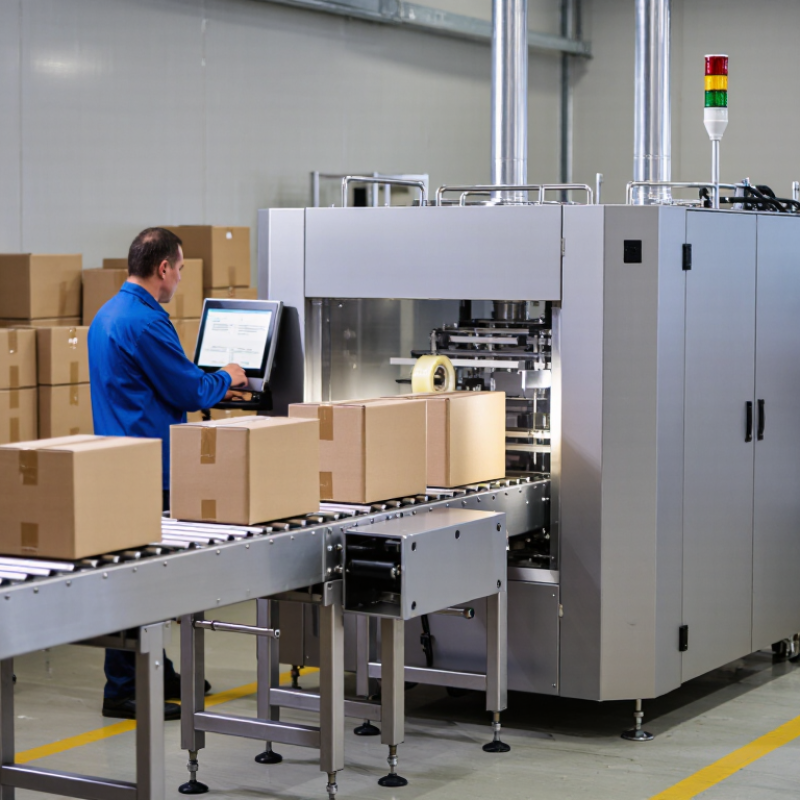
Choosing a box taper machine starts with defining your actual production requirements, not selecting the fastest model. Record carton length, width, height, weight, board quality, tape width, and daily volume. Measure peak demand, too. A line handling 18 cartons per minute may need a 25-carton-per-minute machine for seasonal growth.
Tip: Build a simple carton profile sheet. Include the smallest and largest boxes, changeover frequency, and sealing direction. A machine that handles only your average carton may struggle with real factory variation. I have seen production plans fail because “standard” boxes were never truly standard.
Your goals should include throughput, labor reduction, uptime, and acceptable changeover time. MHI’s 2024 Annual Industry Report states that 55% of surveyed supply-chain organizations use cloud computing, reflecting stronger demand for connected production data. However, connectivity is not a substitute for reliable mechanics. Define target cartons per minute, expected operating hours, and a realistic uptime percentage before comparing machines. PMMI’s packaging automation research also identifies labor availability and flexible automation as key investment drivers.
Tip: Calculate payback using measured labor hours, tape consumption, stoppages, and rejected cartons. Leave room for error. Forecasts are rarely perfect. Test difficult cartons during a factory trial, especially lightweight boxes, recycled board, and uneven loads. Ask operators to perform the changeover, not only engineers. Their feedback may expose awkward controls, poor access, or cleaning problems that a specification sheet will miss.
Choosing a box taper machine starts with the carton, not the advertised speed. Measure length, width, and height across your real product range. A narrow machine may reject small cartons, while a large frame can waste space and energy. Measure twice. Include flap length, seam position, and the smallest box you actually run.
Capacity must match your hourly workload and box variation. If operators switch between 10-inch and 24-inch cartons, confirm the adjustment range and changeover time. A stated maximum speed rarely reflects production conditions. Recycled corrugated board may flex, shed fibers, or arrive with uneven edges. Heavy double-wall cartons need stronger compression control and stable guides. Test it with your own cartons. Run short trials at slow, normal, and peak speeds. Record jams, tape placement, and cartons needing hand correction.
Packaging material also affects sealing reliability. Standard tape may perform differently on dusty kraft surfaces or chilled cartons. Ask for documented limits on carton weight, board thickness, tape width, and temperature. Experienced technicians should explain these limits clearly, not just quote a catalog range. I once underestimated seasonal box changes; the machine handled daily orders but struggled with taller cartons. That mistake taught me to reserve capacity instead of buying for today’s average. Still, extra capacity is not automatically better. It can increase cost, footprint, and setup complexity. Review maintenance access, sensor accuracy, and operator training before approving the machine.
Choosing the right box taper machine requires more than checking its speed. The sealing method should match your carton material, closing volume, and warehouse conditions. Pressure-sensitive tape is quick and clean for steady production. Hot-melt adhesive can provide strong bonding on dusty surfaces, but it needs heat control and regular cleaning. Water-activated tape offers excellent fiber bonding, although it may require more careful adjustment.
Check how easily the machine handles different carton sizes. Operators should adjust conveyor height, side guides, flap compression, and tape tension without complicated tools. Small adjustment errors can create loose flaps, crushed corners, or uneven seals. I have seen a machine perform well during testing but struggle with softer cartons during a long shift. Real cartons matter more than showroom samples. Leave room for improvement.
Operating controls also deserve close attention. Clear switches, guarded moving parts, accessible emergency stops, and simple fault signals support safer daily work. Automatic sensing can reduce missed cartons, while manual controls help during unusual packaging jobs. Confirm that the control panel shows useful information, not confusing codes. A quiet motor is helpful, but stable tracking matters more. Test changeovers with different box heights and widths. Watch the operator, too. If the process feels awkward, the machine may need better controls or training. A perfect specification sheet cannot replace practical observation.
Compare sealing methods, adjustment flexibility, operating controls, seal consistency, maintenance access, safety, and changeover efficiency. The chart uses a practical 1–10 evaluation scale, where 10 indicates the strongest suitability for general packaging operations.
Pressure-sensitive tape machines generally provide the simplest operation and fastest changeovers. Hot-melt systems can deliver strong seals but require more temperature control and maintenance. Water-activated tape systems offer excellent tamper evidence and carton adhesion, with higher setup and operating complexity.
Choosing a box taper machine requires more than comparing speed and price. Safety features deserve practical testing on the production floor. Check whether guards cover moving belts and cutting areas. Interlocked covers should stop motion when opened. Emergency-stop buttons must remain visible and easy to reach.
Ask operators to test the controls while wearing normal work gloves. Controls that feel awkward may encourage unsafe shortcuts. Noise matters too. Excessive vibration can signal poor alignment or early bearing wear. I have seen machines pass a short demonstration but struggle after several hours. That experience changed how I judge equipment.
Maintenance needs should be clear before purchase. Inspect the tape path, rollers, blades, belts, and lubrication points. These parts should be accessible without dismantling half the machine. Request a maintenance schedule and realistic replacement intervals. A dependable supplier should explain spare-part availability and technical support. No machine is maintenance-free. That matters.
Durability depends on frame strength, motor quality, and workload suitability. Compare the stated duty cycle with your busiest packaging period. A machine built for light cartons may weaken under continuous heavy use. Test several box sizes, including uneven cartons and recycled corrugated board. Record jams, adjustment time, and tape alignment. Keep those notes. They may reveal weaknesses that specifications hide. A short trial cannot predict every failure, but it exposes careless design quickly.
A box taper machine should be judged by total cost, not its purchase price.
Tip 1: Calculate tape, electricity, labor, maintenance, spare parts, and planned downtime over five years. A cheaper machine may waste tape through poor tension control.
Tip 2: Measure realistic throughput using your smallest and largest cartons. Ask for a live trial with your actual box sizes.
PMMI’s packaging machinery outlook repeatedly identifies labor shortages and flexible automation as major investment drivers.
Supplier support can protect production when a sensor fails at 2 a.m.
Tip 3: Request written response times, technician coverage, training hours, and spare-parts availability.
Tip 4: Check whether remote diagnostics require secure network access and clear data policies.
Tip 5: Ask existing users about repair delays, not only machine performance. Their answers may be less polished, but more useful.
The International Federation of Robotics reported 541,302 industrial robots were installed worldwide in 2023, showing continued automation growth and rising expectations for technical support.
Expansion planning deserves equal attention.
Tip 6: Confirm whether the machine can accept future conveyors, print-and-apply systems, or automatic carton feeding. Leave floor space around electrical panels and service doors.
Tip 7: Compare modular upgrades with buying a second machine later.
Smithers’ packaging market forecasts point toward continued growth in automated, connected packaging operations.
Still, forecasts can miss your plant’s constraints. I would test two shifts, seasonal volume, and awkward cartons before approving the investment. That detail is often overlooked.
Record carton length, width, height, weight, board quality, tape width, and daily volume. Include the smallest and largest cartons. Measure peak demand, not only average demand. A “standard” carton may not be standard at all.
Choose capacity above your normal production rate. For 18 cartons per minute, a 25-carton machine may provide seasonal room. Do not buy speed you cannot use. Extra capacity can increase cost, space, and setup complexity.
Test lightweight cartons, recycled board, heavy double-wall cartons, and uneven loads. Recycled board may flex or shed fibers. Heavy cartons need stable guides and stronger compression control. Run your own cartons, not only clean samples.
Run short trials at slow, normal, and peak speeds. Record jams, tape placement, loose flaps, and hand corrections. Check performance on dusty, chilled, or rough carton surfaces. A neat showroom trial proves little.
Operators should adjust conveyor height, side guides, flap compression, and tape tension. These changes should not require complicated tools. Poor adjustment can crush corners or create uneven seals. Awkward controls deserve attention.
Test different carton heights and widths. Measure the actual changeover time. Ask operators to perform the process themselves. Their feedback may reveal poor access, confusing controls, or cleaning difficulties.
Use measured labor hours, tape consumption, stoppages, and rejected cartons. Include expected operating hours and realistic uptime. Leave room for forecasting errors. My first estimate might be too optimistic.
Look for guarded moving parts, accessible emergency stops, clear switches, and useful fault signals. Automatic sensing can reduce missed cartons. Manual controls help with unusual packaging jobs. A quiet motor is helpful, but stable carton tracking matters more.
Choosing the right Box Taper Machine starts with clearly defining your packaging requirements, daily production volume, and future goals. Consider the range of box sizes, carton materials, and sealing environments your operation will handle. The machine’s capacity should match your workflow without creating unnecessary bottlenecks or excess cost. Compare sealing methods, adjustment flexibility, control systems, and ease of operation to ensure consistent results across different packaging tasks.
Safety, durability, and maintenance should also guide your decision. Look for practical safety protections, accessible components, reliable construction, and simple cleaning or adjustment procedures to reduce downtime. In addition to the purchase price, evaluate energy use, spare parts, technical assistance, warranty coverage, and expected operating costs. A dependable supplier and scalable machine design can make future expansion easier, helping your investment support increased production while maintaining efficient, secure, and consistent box sealing performance.

Huisu Smart