China’s carton packaging sector has become a major sourcing base for industrial and e-commerce supply chains. Carton Sealer Tape remains essential for sealing corrugated boxes, bundling shipments, and protecting products during handling. Demand is shaped by faster fulfillment, automated packing lines, and stricter delivery expectations.
Industry reports support this direction. Smithers’ packaging research highlights e-commerce and automation as important growth drivers for packaging materials. Mordor Intelligence’s Packaging Tapes Market analysis also identifies acrylic adhesives, online retail, and logistics expansion as key market influences. Grand View Research reports continued growth across the global adhesive tapes industry, with packaging among its most practical applications. These reports do not rank individual Chinese factories. They do, however, explain why supplier selection deserves closer technical review.
This article introduces ten notable China-based Carton Sealer Tape manufacturers for buyers comparing quality, production scale, customization, and export experience. The review considers adhesive type, tape thickness, tensile strength, holding power, printing capability, core size, and compatibility with manual or automatic carton sealers. Factory audits and sample testing still matter. A polished website proves little.
Rankings are not absolute. Public production figures can be incomplete, and manufacturers may describe capacity differently. Buyers should verify ISO documentation, test reports, batch consistency, and actual delivery records before placing large orders. A reliable supplier should provide clear specifications, stable adhesive performance, responsive communication, and practical solutions for different climates and carton surfaces. Small details often decide whether a sealed carton survives a long journey.
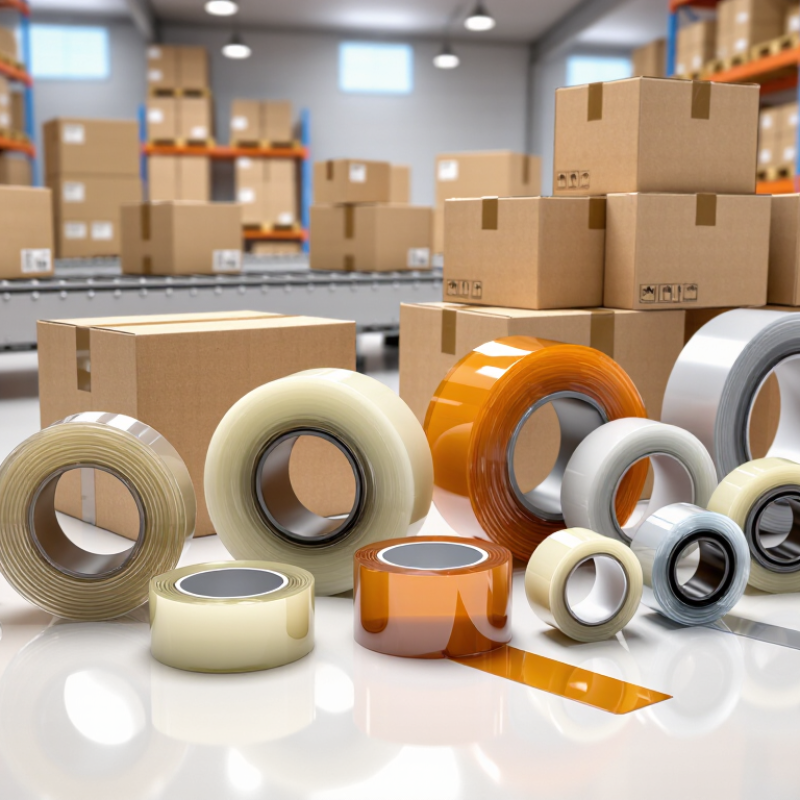
Carton sealer tape is a pressure-sensitive adhesive strip used to close corrugated cartons. It usually has a polypropylene film or paper backing. The adhesive may be acrylic, hot-melt, or solvent-based. Each type behaves differently. A reliable tape bonds when pressure activates the adhesive. It should resist lifting, dust, and ordinary warehouse handling. Yet “strong” is not a universal measurement. Box weight, surface texture, humidity, and storage time all matter.
In warehouses, workers apply it by hand dispensers or automatic carton sealing machines. It is common in e-commerce packing areas, food packaging operations, appliance shipping, and general manufacturing. Clear tape keeps carton printing visible. Printed tape can support handling instructions or improve package identification. For cold storage, acrylic adhesive often performs more consistently. Hot-melt tape may offer quick initial adhesion during fast packing. Application speed matters.
I have seen tape appear secure on a clean sample carton, then peel from dusty recycled board. That result deserves attention. Before selecting a supplier, test adhesion, tensile strength, unwind noise, and aging performance. Store rolls away from sunlight and moisture. Use clean, dry cartons. A wider tape is not always better. Machine settings also influence sealing quality. Small trials are wiser than relying only on a laboratory datasheet.
| No. | Common Carton Sealing Tape Configuration | Backing Material | Typical Adhesive | Typical Thickness | Typical Width / Length | Main Application | Key Performance Feature |
|---|---|---|---|---|---|---|---|
| 1 | General-purpose clear carton tape | Biaxially oriented polypropylene (BOPP) | Water-based acrylic | 40–50 μm | 48–75 mm / 50–1,000 m | Closing light- to medium-weight corrugated cartons | Good clarity, aging resistance, and balanced adhesion |
| 2 | High-tack carton sealing tape | BOPP | Hot-melt synthetic rubber | 45–65 μm | 48–72 mm / 50–500 m | Recycled cartons, rough corrugated board, and heavier parcels | Fast initial grab and strong holding power |
| 3 | Machine-grade carton sealing tape | High-strength BOPP | Acrylic or hot-melt adhesive | 45–60 μm | 48–75 mm / 500–1,000 m | Automatic and semi-automatic case sealing lines | Consistent unwinding, splice control, and low breakage |
| 4 | Low-temperature carton tape | BOPP | Modified acrylic or low-temperature hot melt | 45–65 μm | 48–72 mm / 50–500 m | Cold warehouses, winter transport, and refrigerated distribution | Improved adhesion on cool or chilled corrugated surfaces |
| 5 | Solvent-acrylic carton sealing tape | BOPP | Solvent-based acrylic | 45–60 μm | 48–75 mm / 50–500 m | Long-term storage and shipments exposed to variable temperatures | Strong aging, UV, and temperature resistance |
| 6 | Printed warning or handling tape | BOPP with surface printing | Acrylic or hot-melt adhesive | 45–65 μm | 48–75 mm / 50–500 m | Fragile, orientation-sensitive, or inspection-required shipments | Communicates handling instructions while sealing the box |
| 7 | Reinforced filament carton tape | BOPP reinforced with fiberglass filaments | Pressure-sensitive synthetic rubber or acrylic | 100–150 μm | 25–75 mm / 25–100 m | Bundling heavy cartons and reinforcing long or irregular packages | High tensile strength and resistance to splitting |
| 8 | Colored opaque carton tape | Colored BOPP | Water-based acrylic or hot melt | 45–65 μm | 48–75 mm / 50–500 m | Color coding, inventory identification, and light concealment | Visible identification and reliable carton closure |
| 9 | Recycled-content carton sealing tape | BOPP containing post-consumer or post-industrial recycled resin | Acrylic or hot-melt adhesive | 45–70 μm | 48–72 mm / 50–500 m | E-commerce, retail, and packaging programs with recycled-content targets | Lower virgin-plastic consumption with suitable sealing performance |
| 10 | Water-activated kraft carton sealing tape | Kraft paper | Starch-based or synthetic water-activated adhesive | 60–150 g/m² | 50–100 mm / 50–200 m | Paper-based packaging and tamper-evident carton sealing | Bonds with the carton surface and supports paper-stream recycling |
It closes corrugated cartons during packing, storage, and shipment. Workers apply it with hand dispensers or sealing machines. Clear tape keeps printed carton details visible.
Acrylic adhesive works well for many standard cartons and changing storage conditions. Hot-melt adhesive provides quick initial bonding during fast packing. The best choice depends on temperature, dust, and carton weight.
No. Box weight, surface texture, humidity, and storage time affect performance. A wide tape can still peel from dusty recycled board. Stronger is not always better.
Apply samples to your actual cartons, including rough recycled boxes. Check adhesion, tensile strength, elongation, roll length, and edge cleanliness. Test them at room temperature and in humid conditions. Clean boxes can mislead you.
Review adhesive coating lines, curing areas, rewinding machines, and finished-roll storage. Look for dust, excessive heat, and damaged packaging. Request recent quality reports and production records.
Ask for specifications, batch numbers, inspection reports, and raw-material traceability. Confirm film thickness, adhesive weight, roll dimensions, and tolerance limits. Certificates help, but physical testing still matters.
Compare at least three samples under identical packing conditions. Record sealing speed, unwind noise, adhesion, and carton damage. Check lead times, minimum quantities, complaint handling, and replacement procedures in writing.
Keep rolls away from sunlight and moisture. Use clean, dry cartons during application. Store them in stable indoor conditions. I once trusted a fast delivery too much; unstable batches created extra work. That mistake changed my priorities.
Carton Sealer Tape is an essential packaging material used to close, reinforce, and protect cartons during storage, handling, and transportation. This article explains its common applications and the key factors for evaluating Chinese manufacturers, including adhesive performance, backing materials, product consistency, customization options, quality control, production capacity, delivery reliability, and customer service.
It also presents a practical comparison of China’s top 10 Carton Sealer Tape manufacturers without focusing on brand names, highlighting differences in materials, tape sizes, adhesion levels, printing capabilities, and manufacturing scale. By understanding these distinctions, buyers can better match a supplier to their packaging requirements, order volume, budget, and target market. The final selection should be based on verified samples, technical specifications, certifications, communication efficiency, and the manufacturer’s ability to provide stable quality and dependable long-term support.

 Huisu Smart