2026 Top Carton Machine Types for Global Buyers

Time:2026-09-06 Author:Madeline
0%

Choosing the right carton equipment in 2026 requires more than comparing speed, price, and photographs. Global buyers face different products, carton styles, labor conditions, and packaging regulations. This guide examines the leading Carton Machines for folding, forming, sealing, labeling, and complete packaging lines. Each type serves a different production reality. A compact machine may suit a growing bakery, while a high-speed automatic system may support a beverage factory shipping thousands of cartons daily. Important details include carton dimensions, board thickness, glue performance, changeover time, and available floor space. Small details matter.

Practical experience shows that a polished specification sheet can still hide operational problems. A machine rated at 300 cartons per minute may perform differently with recycled board, irregular shapes, or frequent size changes. Buyers should request sample trials, inspect finished cartons, and confirm spare-parts availability before signing an order. Service response matters too. A two-day delay can stop an export line and affect customer deliveries. This overview compares machine types through performance, flexibility, maintenance, safety, and long-term value. It also considers installation support, operator training, documentation, and regional power requirements. No ranking can fit every factory. That is the difficult part. We may overlook a local constraint, or overvalue a clever feature. Careful testing remains more reliable than confident promises.
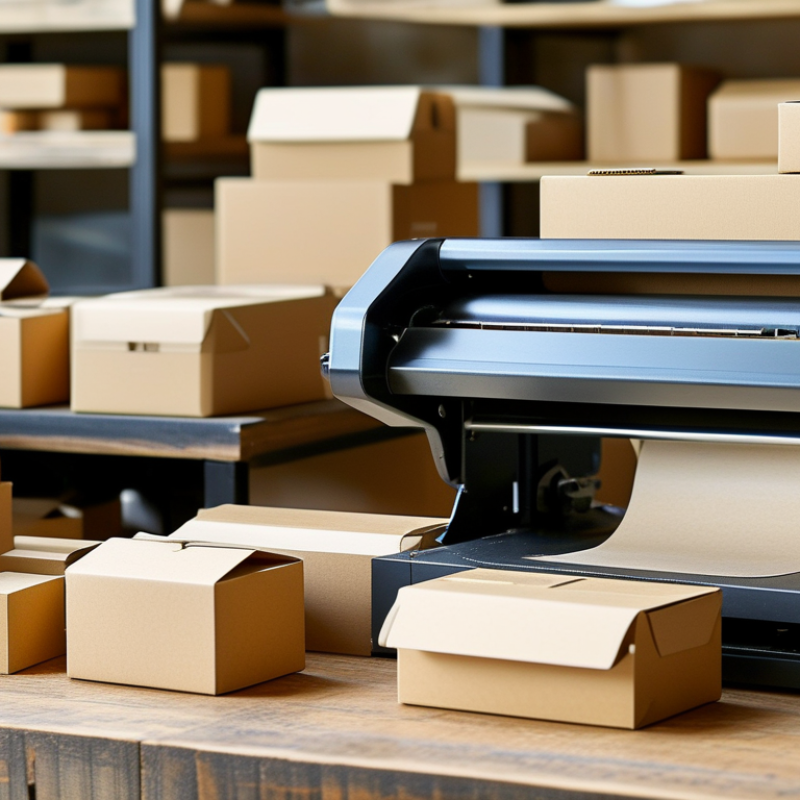
2026 Top Carton Machine Types for Global Buyers

Cartoning Basics: 30–120 Cartons per Minute Across Major Machine Classes

Cartoning machines typically run from 30 to 120 cartons per minute. The range depends on carton size, product shape, and closure style. Intermittent-motion cartoners often operate around 30–60 cartons per minute. They suit mixed formats, delicate products, and frequent changeovers. Continuous-motion machines can reach 80–120 cartons per minute. They require steadier product flow and more consistent carton quality.

Horizontal cartoners handle bottles, pouches, trays, and bundled items. Vertical cartoners suit free-flowing products and compact packaging lines. Robotic loading can improve flexibility, but it may raise integration costs. PMMI’s 2024 State of the Industry report identifies labor availability and automation investment as major packaging equipment concerns. That finding supports demand for servo controls, automatic feeding, and faster format adjustment.

Speed alone can mislead buyers. A machine rated at 120 cartons per minute may run below 90 during real production. Frequent jams, weak board, or manual replenishment can reduce output. Smithers’ 2024 packaging outlook values the global packaging market at more than 1 trillion US dollars, increasing pressure on efficient equipment selection. Buyers should compare sustained output, changeover time, reject rates, and operator access. The missing detail is often uptime. A slower machine with stable feeding may produce more saleable cartons each shift.

Primary, Secondary, and Tertiary Cartoning Under ISO 11607 Standards

2026 Top Carton Machine Types for Global Buyers

Primary, secondary, and tertiary packaging require different controls under ISO 11607. The primary package creates the sterile barrier and protects the medical device. It may use a pouch, tray, or rigid container rather than a carton. A carton machine should not damage seals, puncture surfaces, or disturb validated protection. Small defects matter.

Secondary cartoning groups sealed primary packs for handling and identification. Intermittent-motion machines suit varied formats and frequent product changes. Continuous-motion systems support higher output when pack dimensions remain stable. Operators should check carton fit, leaflet placement, coding, and line clearance. A poorly adjusted folding rail can create pressure marks or incomplete closure. That detail is easy to miss.

Tertiary cartoning supports storage and transport. Case packers, wraparound cartoners, and robotic loading systems can reduce manual handling. Their settings should reflect compression, vibration, humidity, and distribution risks. ISO 11607 also emphasizes documented validation, material compatibility, seal integrity, and process control. Testing should cover normal production and reasonable worst cases. In practice, no packaging line performs perfectly every day. Dust, carton variation, and operator changes can affect results. Buyers should request qualification records, change-control procedures, and traceability data before selecting equipment. A fast machine is not automatically a reliable machine.

Top 2026 Types: Horizontal, Vertical, Wrap-Around, and End-Load Cartoners

2026 Top Carton Machine Types for Global Buyers

Top 2026 Types: Horizontal, Vertical, Wrap-Around, and End-Load Cartoners

Carton selection starts with the product, not the machine catalogue.

Horizontal cartoners suit bottles, trays, and blister packs that need controlled side loading. They often provide steady product handling and clean carton presentation.

Vertical cartoners work well for pouches, sachets, and loose items loaded from above. Their compact footprint can benefit facilities with limited floor space.

Wrap-around cartoners form cartons directly around grouped products. This design can reduce separate carton erection steps and create strong transport packs. It suits cans, cases, and regularly arranged containers.

End-load cartoners insert products through the carton opening, then close the flaps with controlled pressure. They are useful for boxed goods, flexible packs, and products requiring gentle handling.

Small details matter. Carton stiffness, glue behavior, and product spacing can change performance.

During equipment evaluations, buyers should inspect changeover time, access points, sensor placement, and reject handling.

A ten-minute adjustment may become an hour during a busy production shift. That difference is easy to underestimate. Machines should also match local electrical standards, safety requirements, and available operator skills. High speed is not always practical. A slower cartoner with stable feeding may deliver better output over a full week. Trial runs using real cartons and products remain essential, because laboratory assumptions sometimes fail on the factory floor.

Buyer Metrics: OEE, Changeover Time, and 30–120 CPM Capacity Bands

2026 Top Carton Machine Types for Global Buyers

For global buyers, carton machine selection should begin with measured output, not catalogue speed. Horizontal intermittent-motion cartoners suit frequent product changes and smaller batches. Continuous-motion models support steadier production at higher speeds. Robotic cartoners offer flexible loading for irregular products, but integration skills matter.

The 30–120 CPM range covers very different purchasing decisions. A 30–60 CPM machine may fit seasonal lines with many carton sizes. Machines above 80 CPM need stable feeding, precise carton erection, and reliable inspection.

At 120 CPM, small stoppages quickly become expensive. The OEE Foundation identifies 85% OEE as a world-class benchmark, while many plants operate near 60%. That gap deserves honest measurement. The number can look impressive and still hide long changeovers.

Changeover time should be recorded from the last good carton to the first good carton after adjustment. Track labor minutes, rejected cartons, and tool usage. PMMI packaging machinery trend reports repeatedly identify flexibility, labor efficiency, and automation as major buyer priorities. Yet, a shorter changeover is not always better if quality falls. That is an uncomfortable trade-off.

Tips

Request a timed demonstration using your cartons and products. Test 30, 60, 90, and 120 CPM conditions. Ask for OEE evidence from comparable duty cycles, not only peak-speed videos. Leave room for imperfect operators, dusty cartons, and learning losses.

Automation and Compliance: GMP, Serialization, and Industry 4.0 Readiness

In 2026, global buyers will judge cartoning machines by compliance readiness, not speed alone. Horizontal end-loaders suit bottles, blister packs, and compact medical products. Vertical cartoners handle pouches, sachets, and irregular items. Both designs should support controlled recipes, secure user access, and documented changeovers.

GMP readiness begins with cleanable surfaces, stainless-steel contact areas, and clear access for inspection. Sensors can verify leaflet presence, carton codes, flap closure, and product position. A vision system should reject failed packs into a locked, traceable bin. Serialization needs deeper integration. The cartoner may connect with printers, cameras, line controllers, and aggregation software. Each event should create a reliable audit trail.

Industry 4.0 features add practical value when they solve real production problems. OPC UA or similar communication can link the machine with MES platforms. Live dashboards may show stoppages, reject rates, and format changes. Predictive alerts can identify unusual motor current or vacuum loss before a breakdown. Operators still need simple screens and clear instructions. More data is not always better. Too many alarms create confusion.

Buyers should request validation documents, cybersecurity controls, and remote-access policies before purchase. Factory acceptance testing should include serialization failures and simulated rejects. A machine can be technically advanced yet difficult to clean or validate. “Ready” is not the same as proven. Local requirements also differ, so compliance claims require careful review.

2026 Top Carton Machine Types for Global Buyers - Automation and Compliance: GMP, Serialization, and Industry 4.0 Readiness
Comparison of major carton machine types for global buyers in 2026
Carton Machine Type Primary Carton Format Typical Output Range Typical Product Applications GMP-Aligned Design Potential Serialization Integration Industry 4.0 Readiness Best Fit for Global Buyers
Horizontal Intermittent-Motion Cartoner Folding cartons with tuck-in or glued closures; products loaded horizontally 30–120 cartons/min Blister packs, bottles, tubes, sachets, pouches and small medical devices High
Accessible product zones, stainless-steel contact parts and controlled changeover options are commonly available.
Conditional
Can accept an infeed serialization camera, code reader, reject station and aggregation interface.
High
Suitable for recipe management, electronic alarms, OEE data and PLC-to-MES connectivity.
Pharmaceutical, healthcare and regulated consumer-product lines requiring flexibility and controlled handling
Horizontal Continuous-Motion Cartoner Folding cartons with continuous product loading and closing 120–400 cartons/min High-volume confectionery, personal care, food, household and selected pharmaceutical products Medium–High
High-speed hygienic execution is possible, but cleaning access and format-part management require careful specification.
Conditional
Serialization is normally added through synchronized vision, coding and reject modules.
High
Strong fit for synchronized servo axes, production monitoring and automated line control.
High-throughput operations with stable products, standardized cartons and limited format variation
Vertical Intermittent-Motion Cartoner Cartons erected and filled from the top or vertically 20–80 cartons/min Powders, granular products, bags, bottles, jars and products that are difficult to load horizontally Medium
Can be designed for hygienic production, although product containment and dust control may be critical.
Conditional
Requires suitable code placement, vision access and a validated reject process.
Medium
Digital monitoring is available, but integration depth depends heavily on the machine control architecture.
Products needing vertical loading, gentle handling or integration with volumetric and weigh-filling systems
Top-Load Cartoner Rigid or folding cartons loaded from the top; often used with pre-glued or lock-bottom cartons 30–150 cartons/min Cosmetics, food multipacks, household products, medical kits and irregular-shaped items Medium–High
Open loading access can support cleaning and inspection when designed with tool-less access and guarded product zones.
Conditional
Works with printed-code verification, tamper-evident features and downstream aggregation systems.
Medium–High
Good potential for servo motion, recipe control and digital changeover guidance.
Products with varied shapes, promotional inserts or multipack configurations
Wrap-Around Cartoner Flat blank wrapped around the product and sealed with hot-melt adhesive or other approved closure methods 40–200 cartons/min Beverage multipacks, food, household goods and secondary packaging applications Medium
Suitable for hygienic environments, but adhesive handling and carton-board dust require appropriate controls.
Conditional
Usually paired with upstream or downstream code inspection rather than relying only on the cartoner.
Medium–High
Supports line synchronization, adhesive monitoring, fault analytics and production reporting.
Secondary packaging where compact packs, material efficiency and high-speed wrapping are priorities
Pre-Glued Carton Erector and Filler Pre-glued cartons erected and filled with automated product insertion 40–180 cartons/min Premium cosmetics, pharmaceuticals, nutraceuticals and small consumer products High
Well suited to controlled handling, low-particle designs and documented format-part control.
Conditional
Requires code verification and reject equipment positioned where the carton code is visible.
High
Often compatible with servo-driven handling, electronic batch records and digital line-clearance workflows.
Premium packaging and regulated products requiring a clean appearance and repeatable presentation
Blister-to-Carton Integrated Line Folding cartons loaded with blister cards, leaflets and associated components 60–300 cartons/min Tablets, capsules, medical devices and other unit-dose pharmaceutical products High
Commonly specified with controlled feeding, leaflet verification, batch separation and inspection access.
Yes, with validated modules
Supports product-code reading, anti-mix-up checks, reject confirmation and aggregation when correctly configured.
High
Strong candidate for electronic batch records, audit trails, recipe control and serialization data exchange.
Pharmaceutical plants requiring coordinated primary and secondary packaging with traceability controls
Robotic Pick-and-Place Cartoner Cartons loaded by delta, SCARA or articulated robots; format depends on the carton and product system 30–180 cartons/min Fragile, irregular, mixed or orientation-sensitive products Medium–High
Enclosed robotic cells and controlled product-contact materials can support hygienic production.
Conditional
Vision, code reading, product identity checks and reject logic must be engineered into the cell.
High
Well suited to robot diagnostics, digital recipes, condition monitoring and plant-level data integration.
Flexible automation, frequent product changeovers and applications requiring precise product orientation

Data note: Output figures are representative engineering ranges for commonly supplied equipment and vary with carton dimensions, product characteristics, closure style, inspection requirements and changeover conditions. GMP is a manufacturing and quality-system framework rather than a machine certification; actual compliance depends on the complete equipment design, installation, validation, documentation and operating procedures. Serialization readiness requires validated coding, vision, reject, data-management and aggregation functions appropriate to the target market.

FAQS

: What speed range do cartoning machines usually offer?

: Most machines run between 30 and 120 cartons per minute. Actual output depends on carton size, product shape, and closure style.

Which machine suits frequent product changes?

Intermittent-motion machines usually run at 30–60 cartons per minute. They suit mixed formats, delicate products, and frequent changeovers.

When is continuous motion a better choice?

Continuous-motion machines can reach 80–120 cartons per minute. They need steady product flow and consistent carton quality.

What products can horizontal cartoners handle?

Horizontal machines commonly handle bottles, pouches, trays, and bundled items. They work well when products enter from the side.

When should buyers consider robotic loading?

Robotic loading can handle irregular products and improve flexibility. Integration may require higher costs and stronger technical support.

Is the listed speed equal to real production output?

Not always. A machine rated at 120 cartons per minute may produce fewer than 90 during normal operation.

What can reduce carton output?

Jams, weak carton board, manual replenishment, and poor feeding can reduce production. Small stoppages become costly at high speeds.

How should buyers compare machine performance?

Compare sustained output, OEE, changeover time, reject rates, and operator access. Uptime often matters more than peak speed.

How should changeover time be measured?

Measure from the last good carton to the first good carton after adjustment. Include labor minutes, rejected cartons, and tool usage.

What should a practical machine test include?

Request a timed test using your cartons and products. Try 30, 60, 90, and 120 cartons per minute.

Why can a slower machine produce more saleable cartons?

Stable feeding may prevent jams and rejects across an entire shift. Peak speed can hide long interruptions.

What operating conditions should buyers test?

Test dusty cartons, imperfect operators, refill delays, and learning losses. Laboratory conditions can look too clean.

Conclusion

In 2026, Carton Machines will remain essential for efficient and compliant packaging across primary, secondary, and tertiary applications. Major machine classes support production rates from approximately 30 to 120 cartons per minute, helping manufacturers match equipment capacity with product characteristics, package formats, and operational goals. Horizontal, vertical, wrap-around, and end-load cartoners each provide distinct advantages for different loading patterns, materials, and line configurations. Selecting the right type requires careful consideration of carton dimensions, product handling requirements, available floor space, and future production plans.

For global buyers, key evaluation metrics include Overall Equipment Effectiveness (OEE), changeover time, uptime, maintenance needs, and performance within the 30–120 CPM range. Equipment should also support relevant GMP practices and ISO 11607 principles for packaging integrity, while offering serialization capabilities where traceability is required. Industry 4.0 readiness, including data collection, remote monitoring, and integration with wider production systems, can further improve visibility and process control. A balanced assessment of productivity, compliance, flexibility, and long-term scalability will help buyers choose reliable cartoning solutions.


Madeline

Madeline

Madeline is a dedicated marketing professional with a wealth of expertise in our company's core offerings. With a keen understanding of the industry, she brings a unique perspective to her role, consistently delivering high-quality content that highlights the superior aspects of our products. As......